← Previous Lesson (Tiling, Tessellations, and Frieze Patterns)
This lesson covers Fractals and the Divine Proportions.
He made us watch how Fractals are connected to nature. No author this time.
Mandelbrot Locally Connected Conjecture (MLC) is defined as:
“No matter how much you zoom in, the pattern always ends up to look like a connected section.”
What Makes a Fractal
The term fractal was coined by Bendoit Mandelbrot. This term is used as a never-ending pattern that is self-similar across different scales. They are created by repeating a simple process *over and over in a feedback loop, also known as recursion.
In other definitions, it's also known as a sequence of smaller and smaller patterns, infinitely complex in its own creation. They may change the more you zoom in or zoom out.
A fractal is not the same as a tesselation. It does not have a static shape that adds to itself repeatedly, and neither does it have a set pattern. These fractals may even overlap.
Examples of Fractals In the Real World
There are a couple of fractals that occur in nature being approximate ones, since fractal structures maximize surface area within a limited volume. This is efficient for energy, nutrient, or water transfer.
-
Fractals in Nature
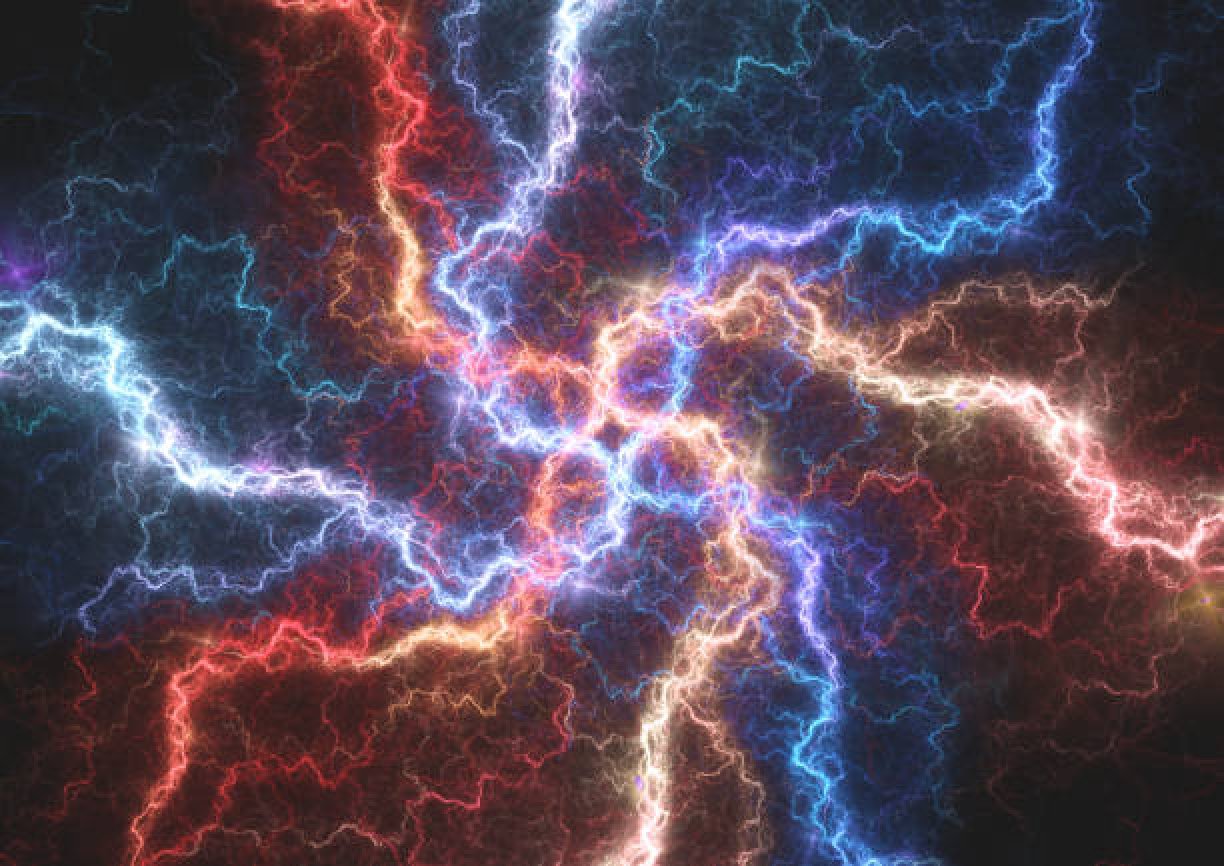
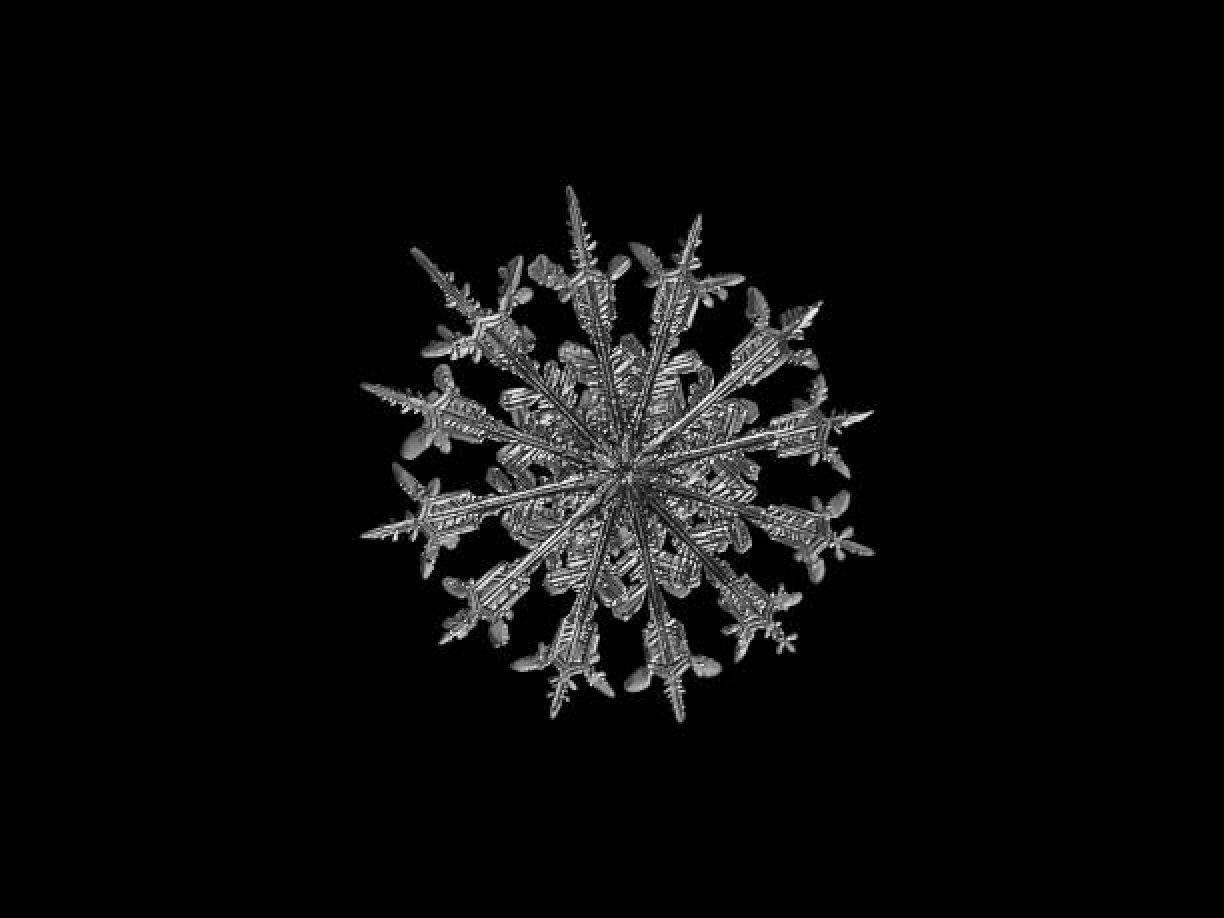
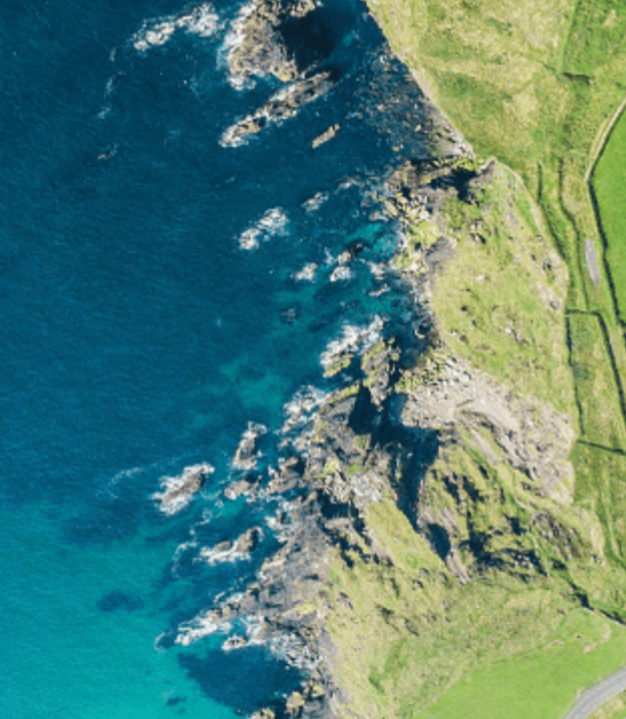
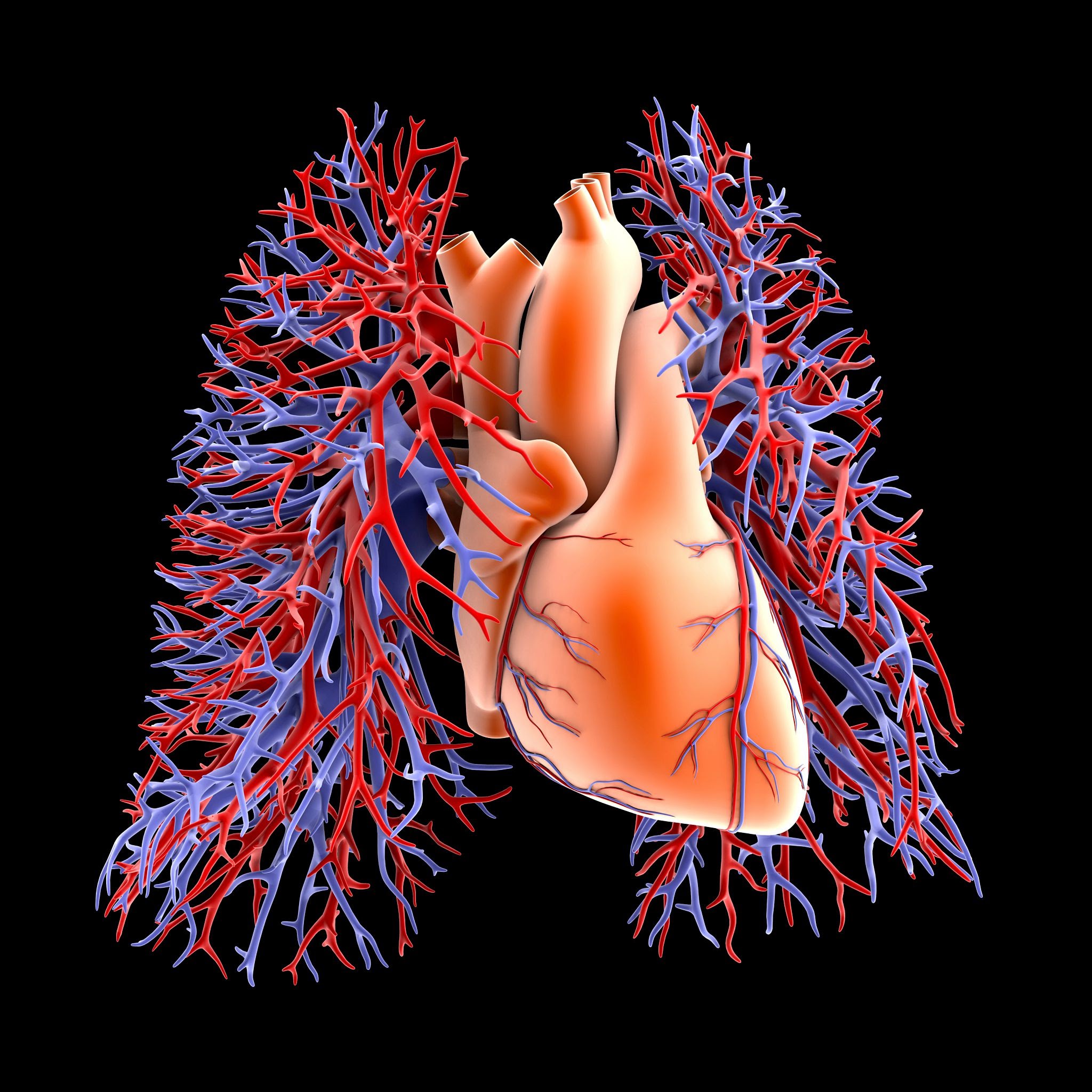
Type Elaboration Image Fern Fronds Each leaflet looks like a miniature version of the entire frond Romanesco Broccoli The broccoli look like a miniature version of itself Trees & Roots The branching patterns, similar to the letter “Y”, repeats itself at smaller scales River Networks Small streams merge into rivers, mirroring the branching of trees Lightning Bolts Again, branches. Nature likes webs and branches because they’re efficient Snowflakes Six-sided patterns with repeating dendritic structures Coastlines Jagged edges that remain equally detailed regardless of the zoom level. Human Body Lung vasculature, neural networks, and blood vessels
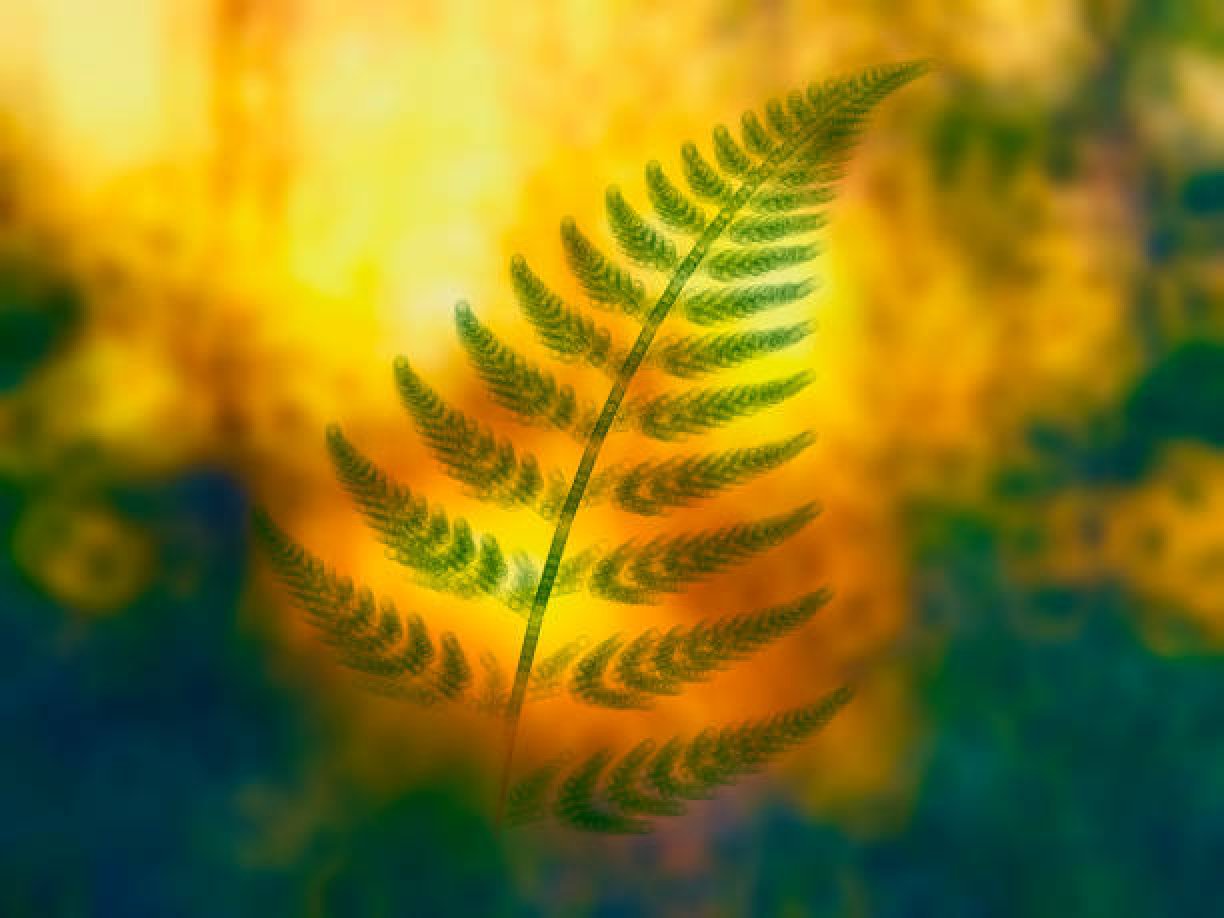
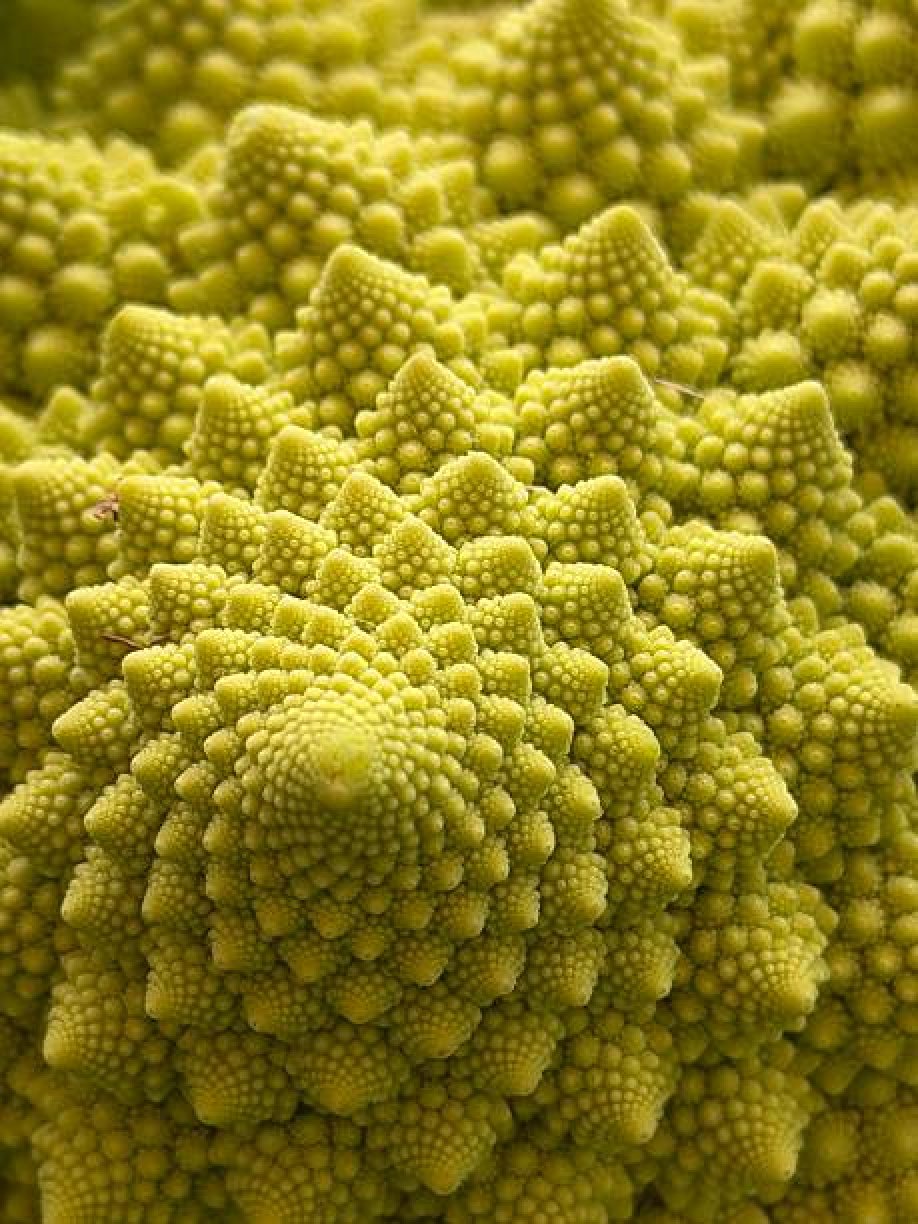
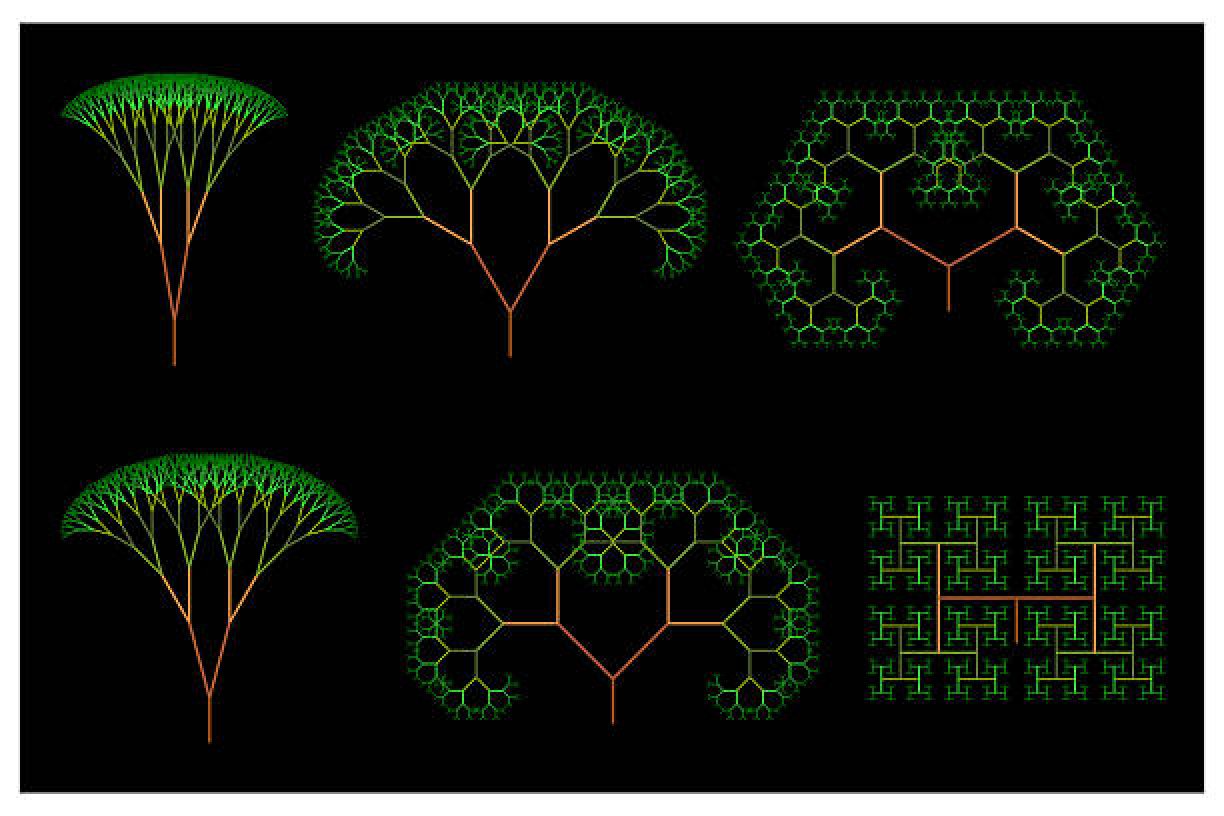
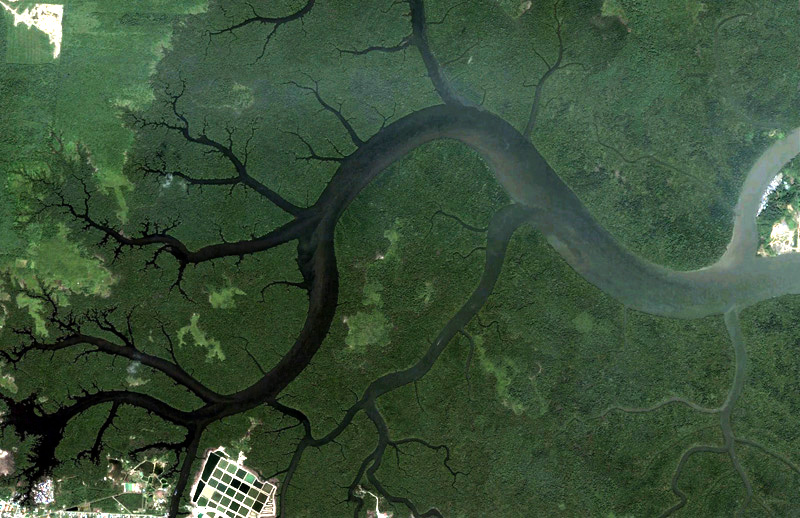
-
Fractals in Art
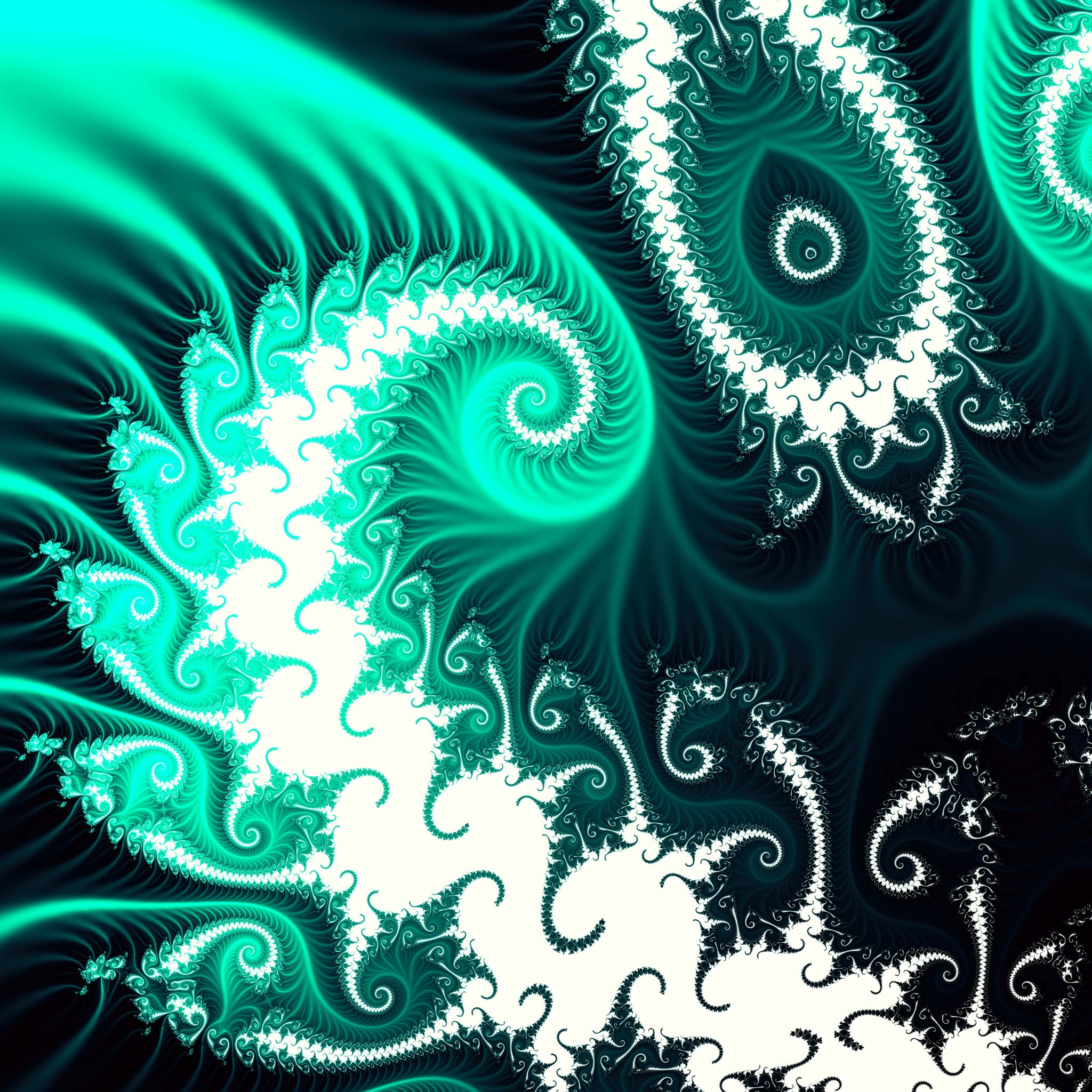
Type Definition Image Fractal Expressionism Jackson Pollock’s paintings were found to contain fractal dimensions, reflecting an automatic, self-similar process in his dripped patterns. It’s easily attainable by dripping paint from a can. Digital Art Algorithmic art created by calculating formulas like the Mandelbrot set or Julia set. Usually used with computers or more thermal looking pictures. Ancient & Traditional Art Often used intuitively, such as in Celtic knotwork, African architecture, and Indian mandalas. It’s those traditional elven type of weaved or formed architecture Graphic Design Used in film (CGI) to generate realistic landscapes like mountains, clouds, & landscapes. These are basically the use of mathematics to make a ‘reality’, a simulation of what nature would shape it as.
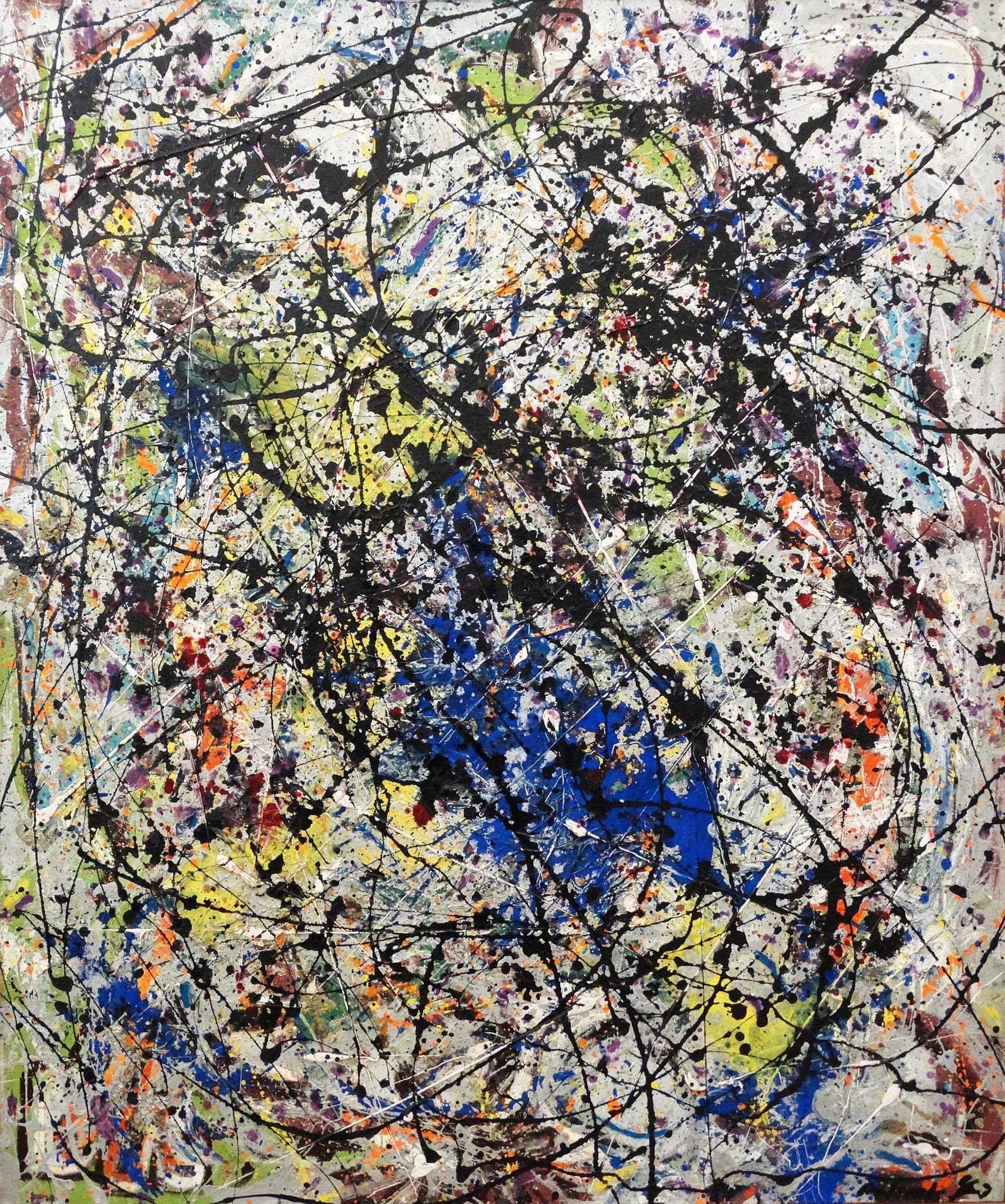
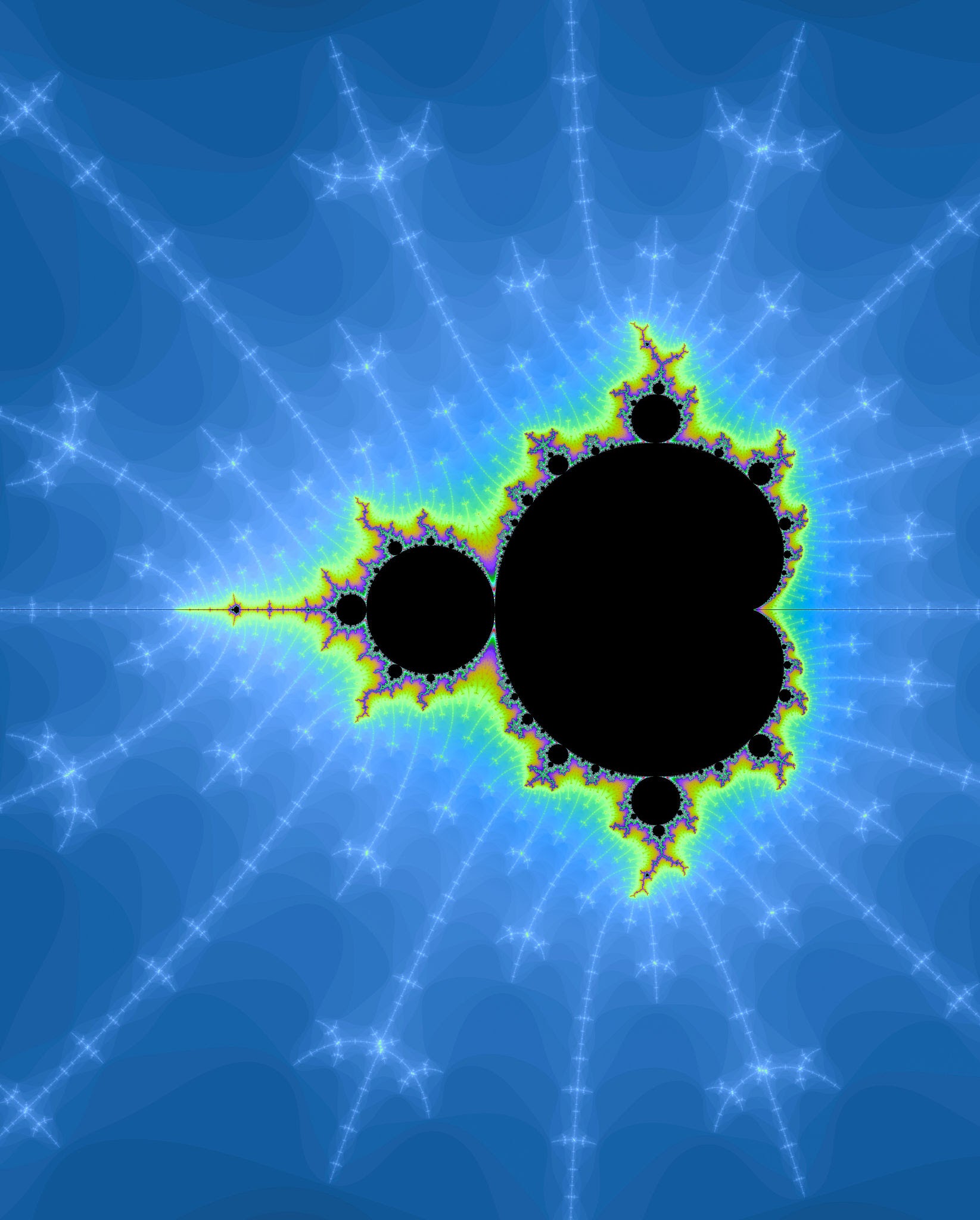
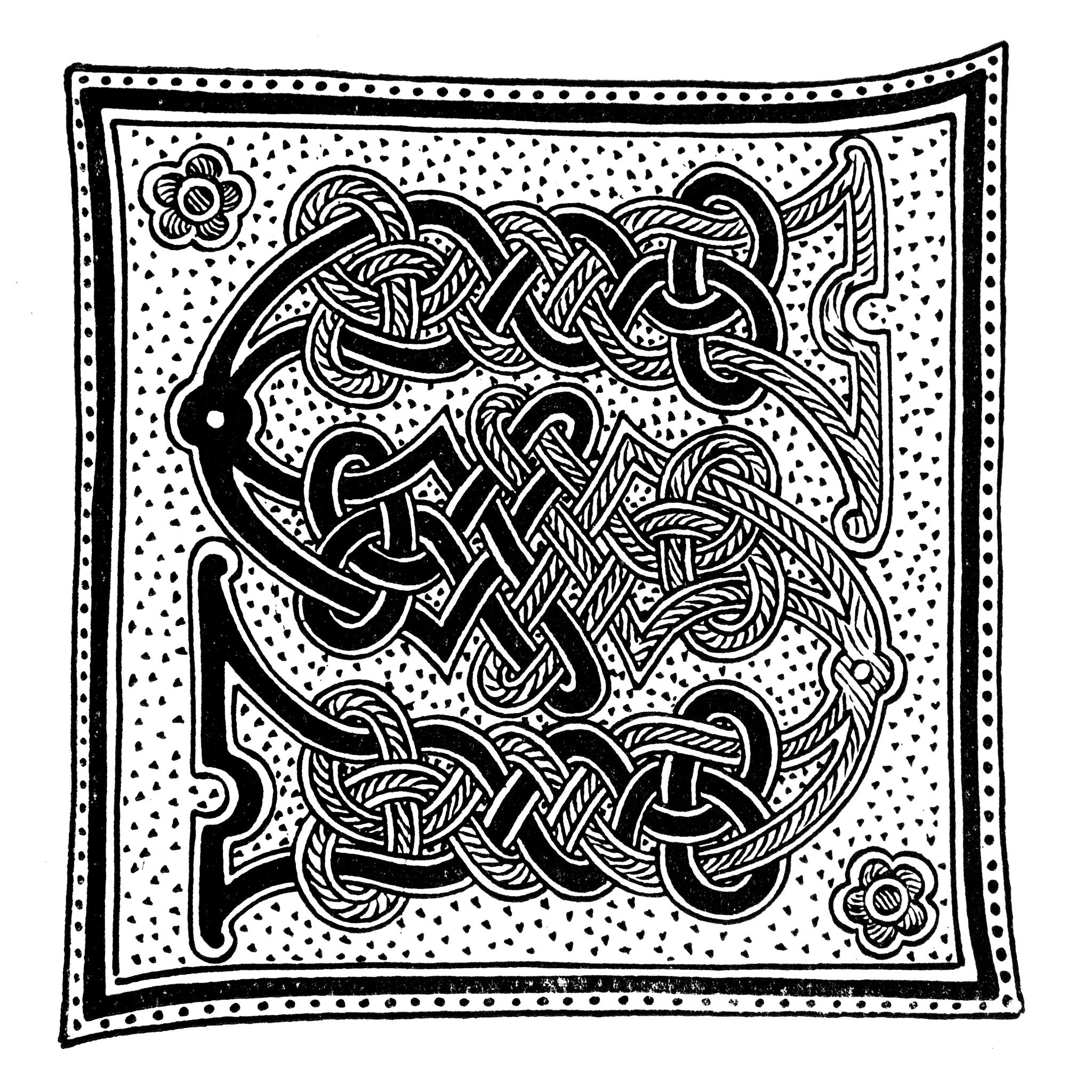
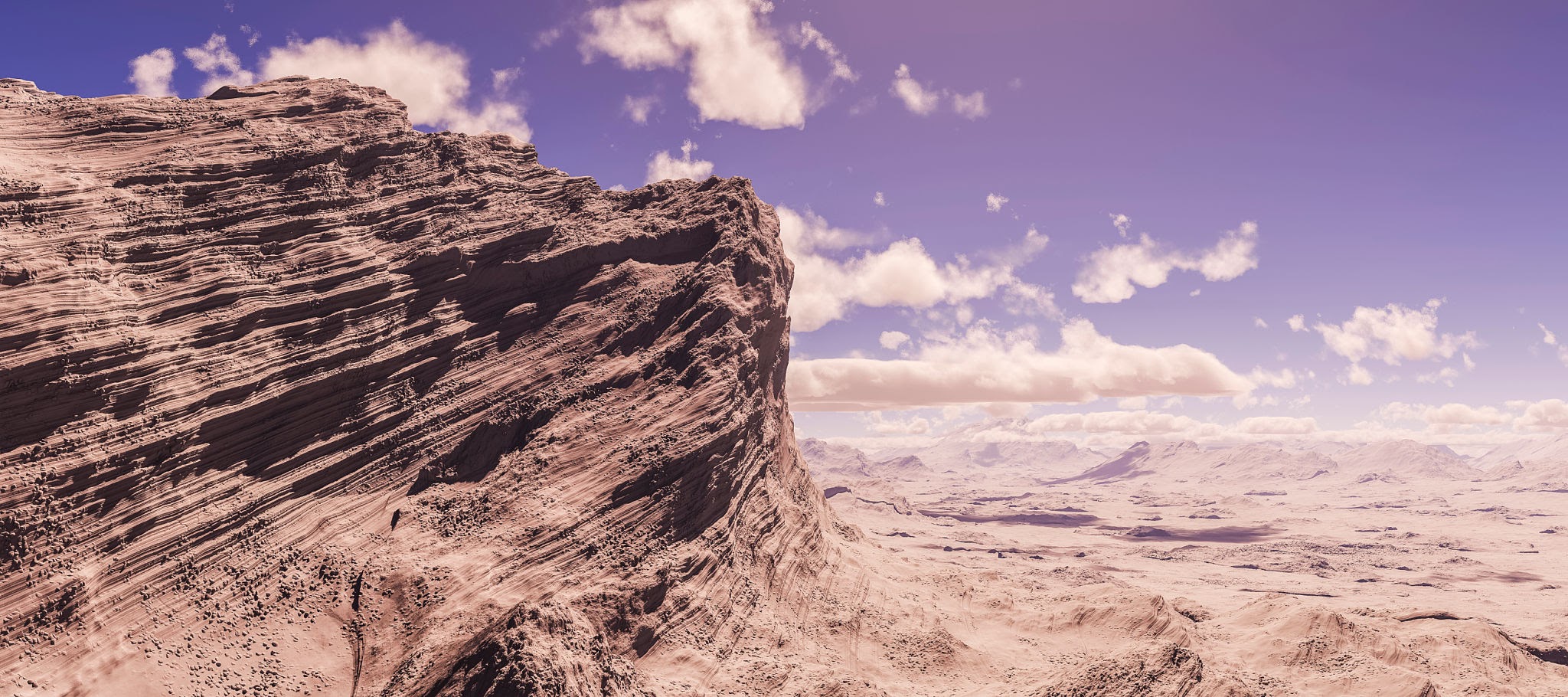
-
Manual Made Fractals
Manually generating a fractal involves repeatedly applying a simple geometric rule (or a recursive process) to a shape or a line, resulting in a complex, self-similar pattern.
Computers are great at this - but several classic fractals can be made or constructed by hand.
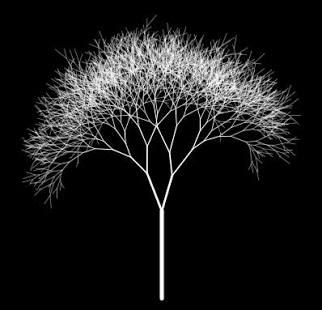
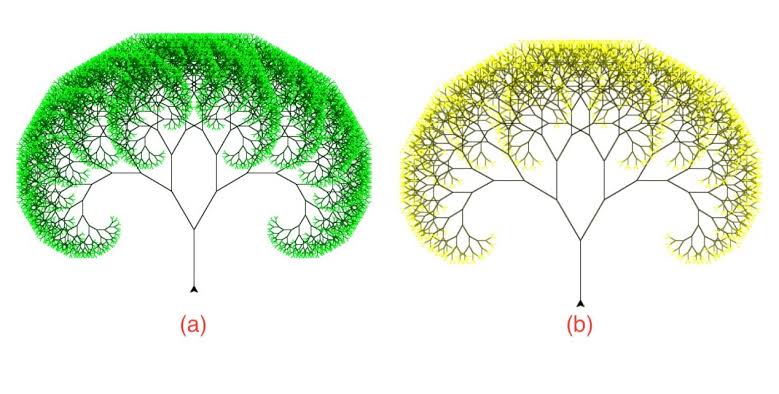
Type Definition Image Cantor Set A famous fractal set of points lying on a line segment, constructed by repeatedly removing the middle third of intervals, repeating this infinitely, resulting in an uncountably infinite set of points with zero length. Koch Snowflake Start with a triangle, divide each side into three, and add a smaller triangle to the middle segment. Repeat. Sierpinski Triangle Draw a triangle, connect the midpoints, and remove the centre triangle. Repeat for the remaining smaller triangle. Hand-drawn Trees Draw a “Y” shape. At the end of each arm, draw a smaller “Y”, repeating until the detail is too small to draw. Decalcomania Press paint between two surfaces, pull them apart to create fractal-like patterns. I believe this next one was made with leaves
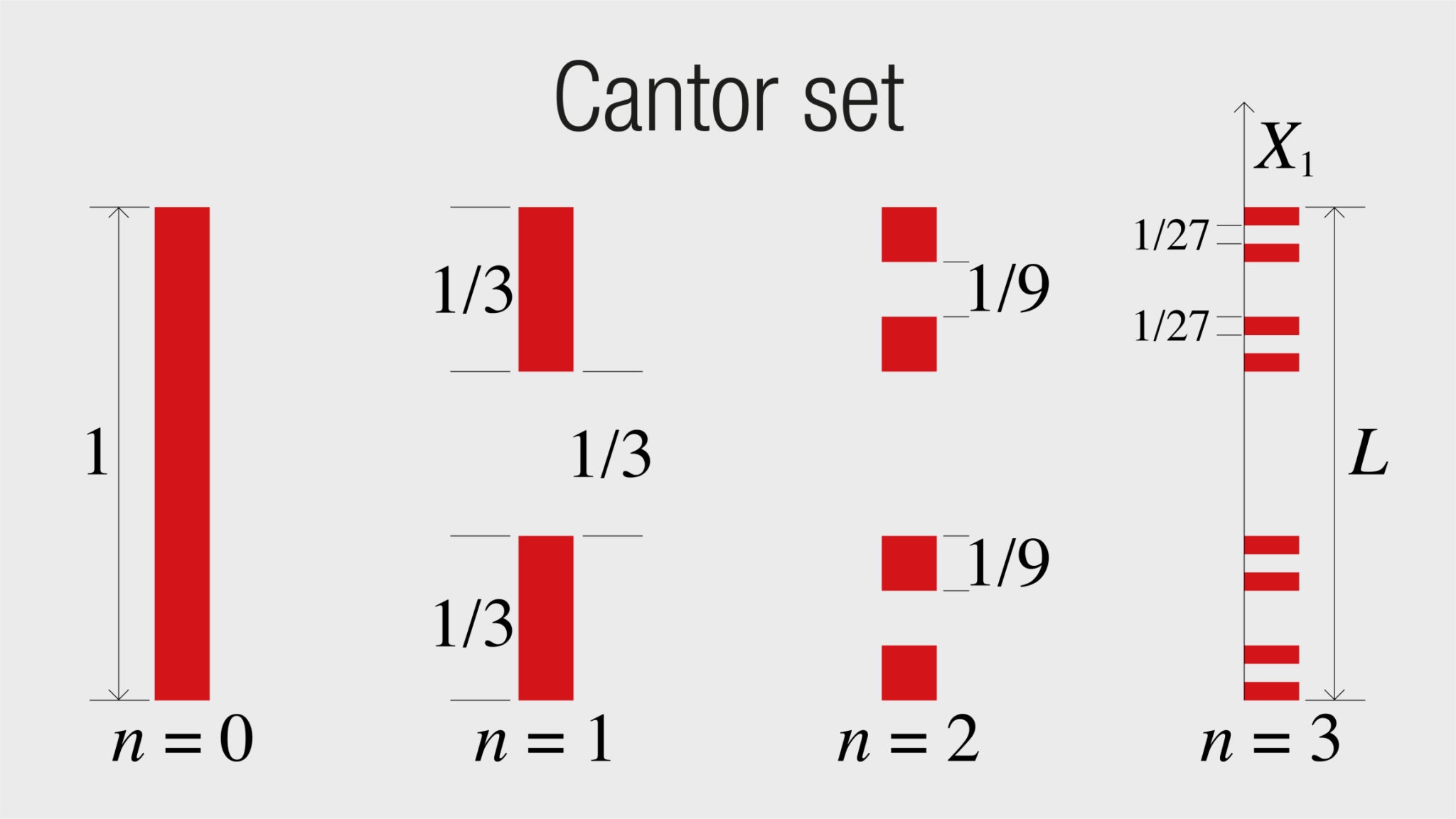
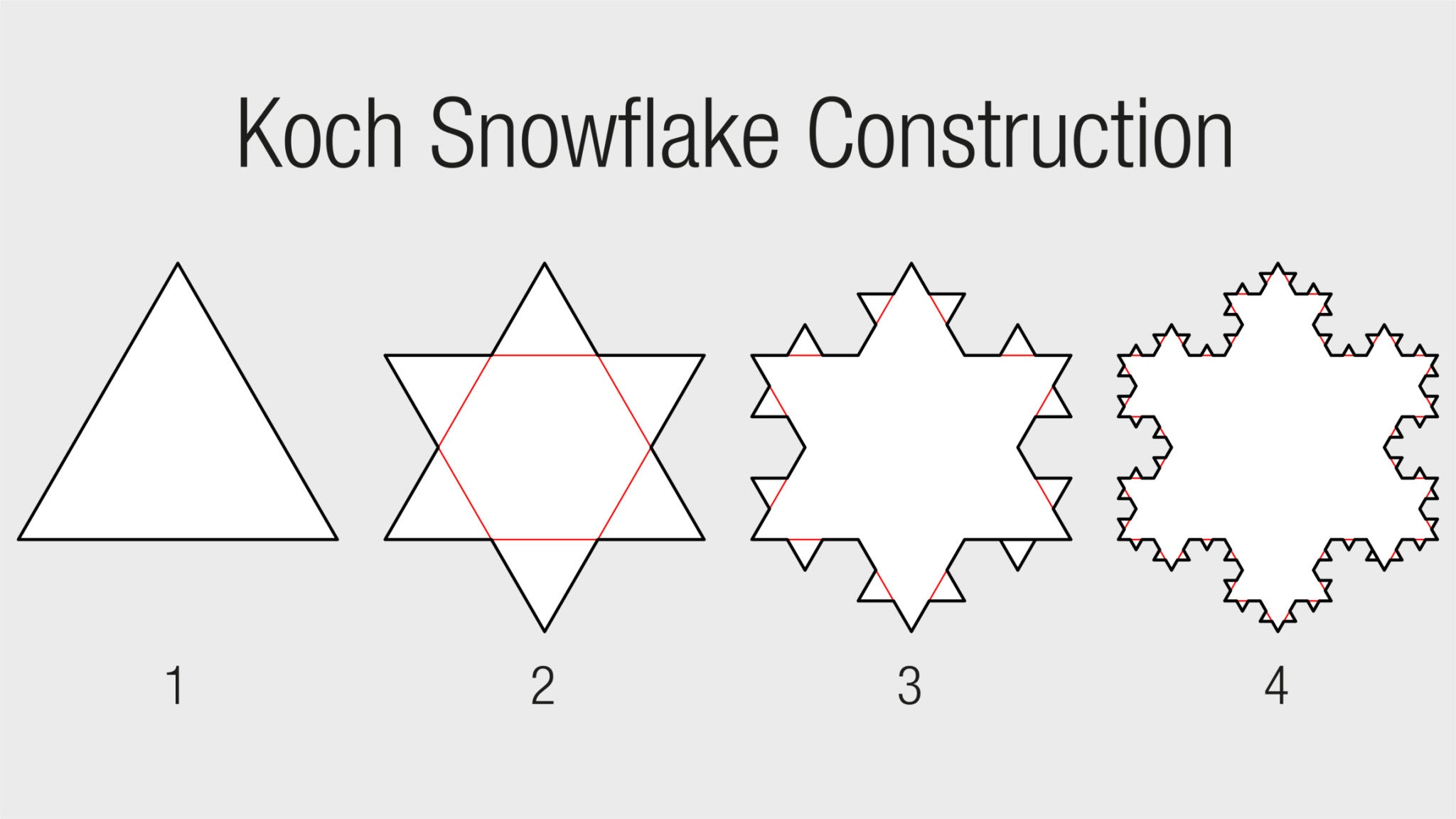
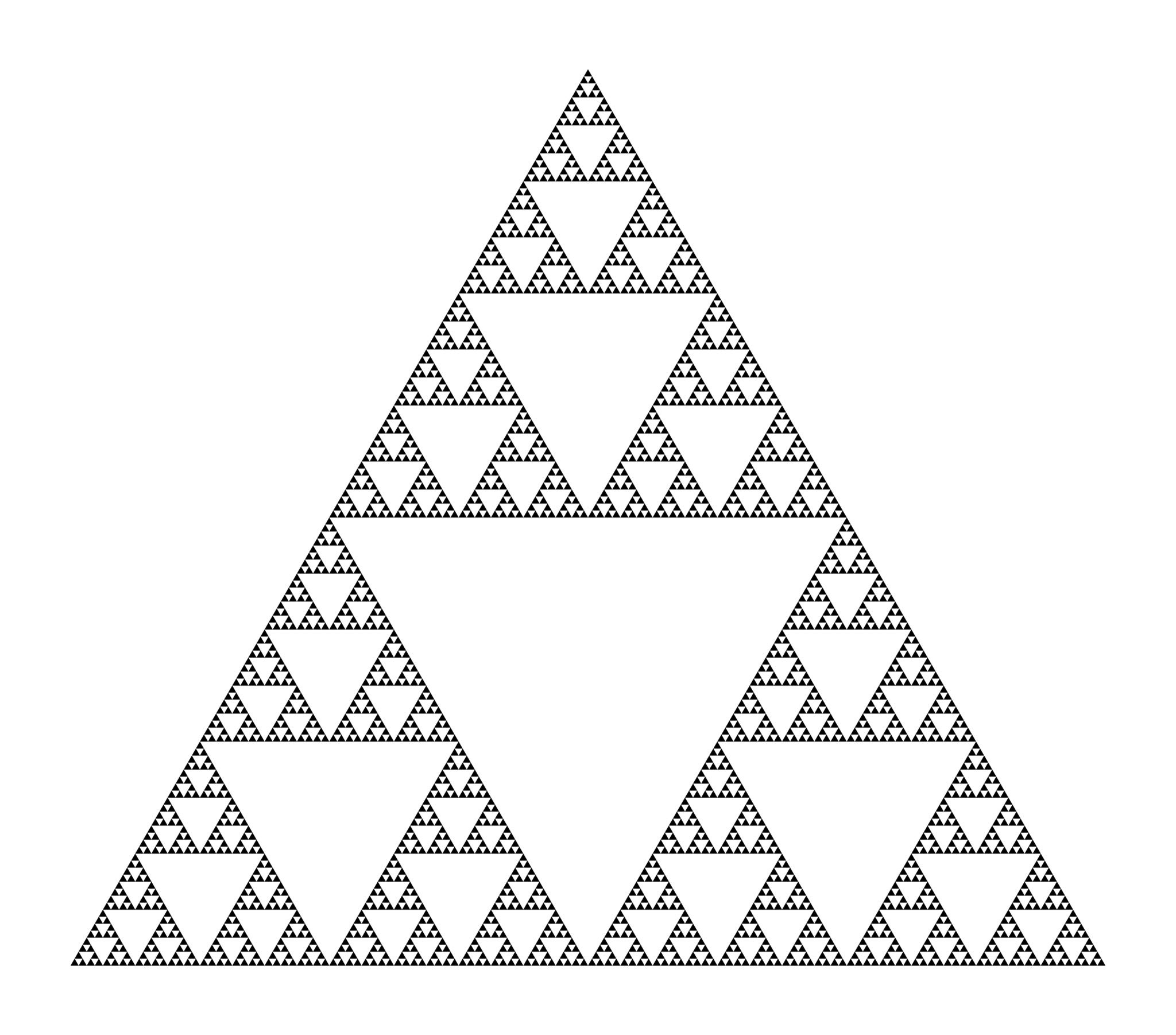
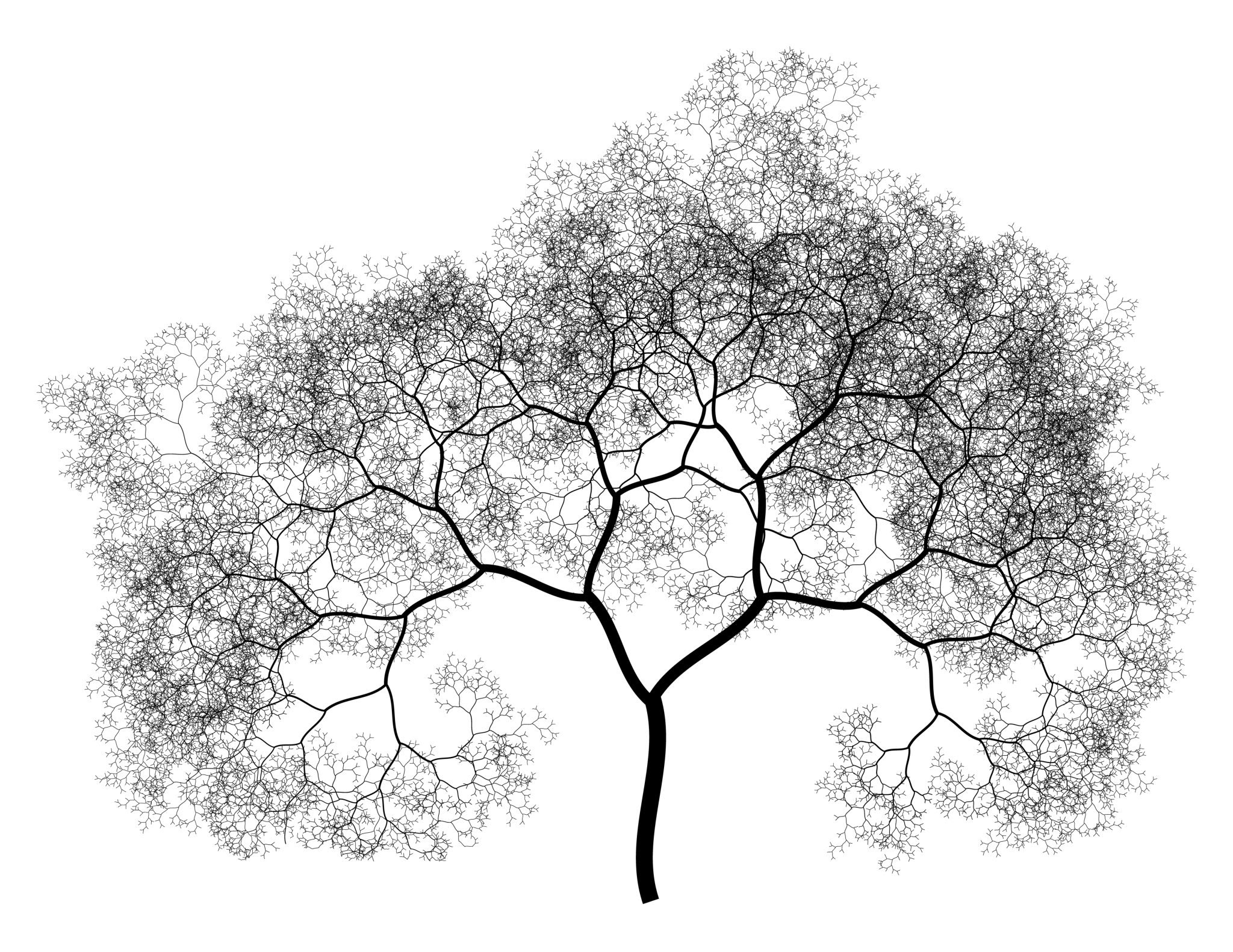
-
Fractals in Technology
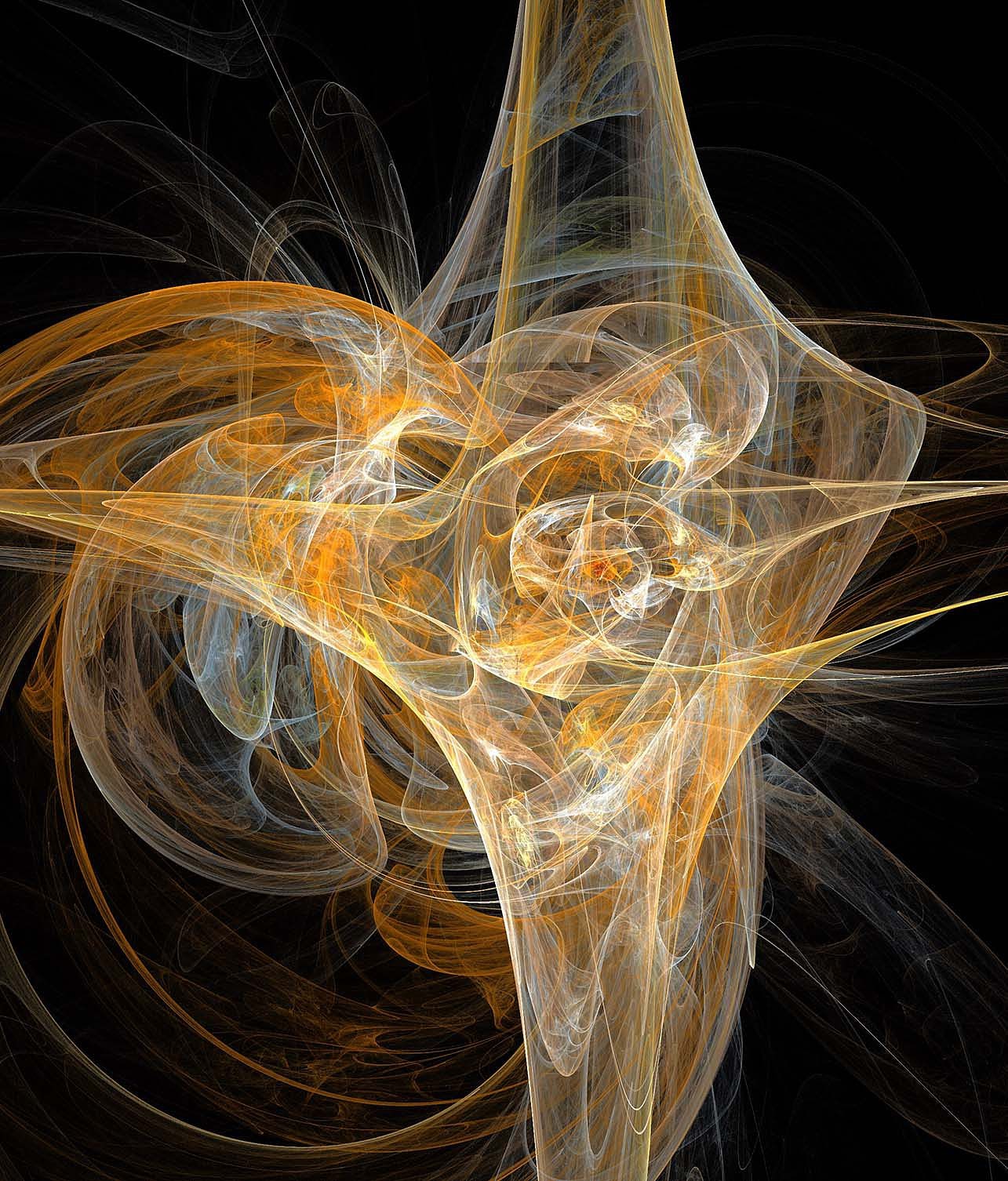
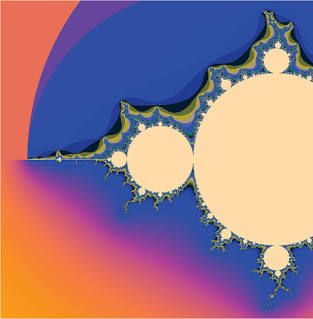
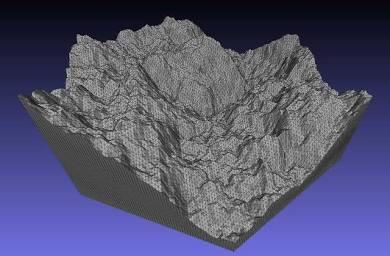
Type Definition Image Fractal Software Tools like Apophysis (fractal flames), Xaos (real-time zooming), may attempt to simulate it. L-Systems Lindenmayer systems are string-rewriting mechanisms commonly used to generate realistic plant structures. Escape-time Algorithms More specific formulas like z,n+1 = z^2,n + cdetermine the color of pixels based on how quickly they escape a boundary.Python/Scripting Using libraries such as Matplotlib or Turtle Graphics to programmatically draw fractal patterns via recursion. Fractal Terrains Much like Graphic Design, these 3D landscapes are designed off fractals to mimic natural scenes. DOTA is an example.The formula for the third one is more clearly is here:
z,n+1 = z^2,n + c
The Geometry Of Phi (φ) and the Fibonacci Sequence
Here we are close to using the sigma (Σ) notation for sequences. This will tie into General Mathematics as well.
The Golden Ratio
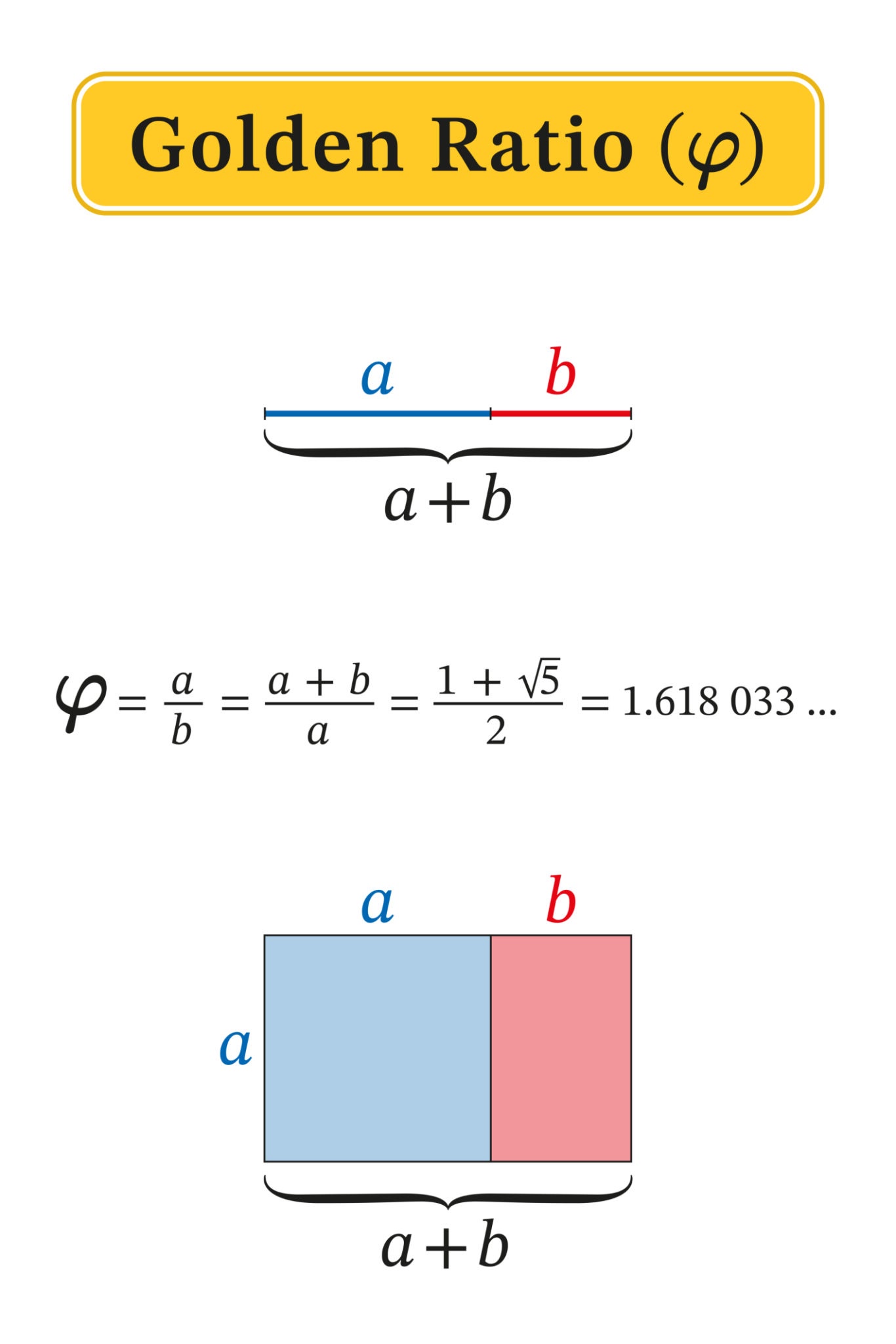
The Golden Ratio (φ) is a special number found by dividing a line into two parts so that the longer part divided by the smaller part is also equal to the whole length divided by the longer part.
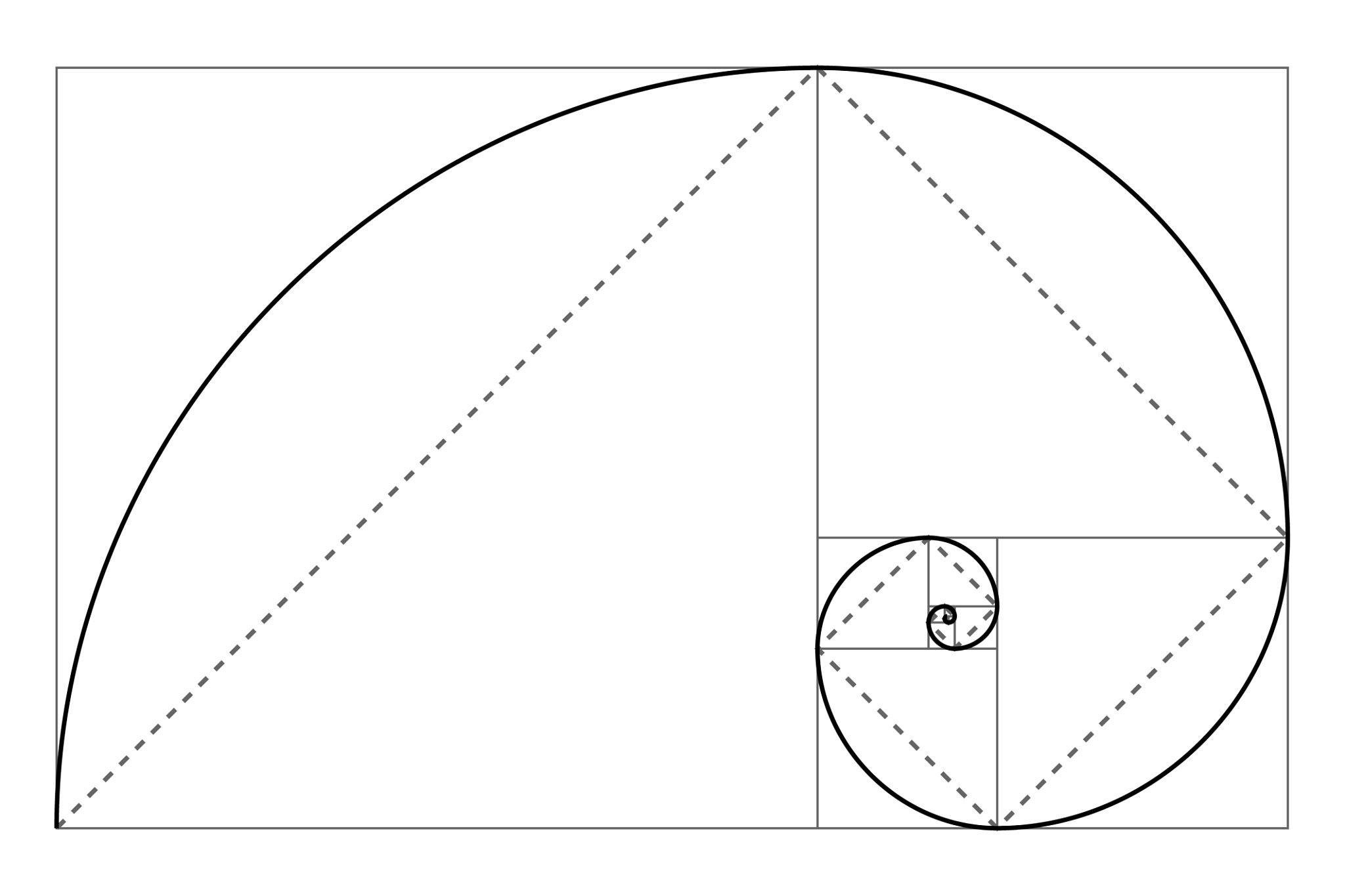
It is based off the length of the tip of your finger to your wrist, then the wrist to the elbow, and then that entire length.
φ = (1 + √5) / 2 ≈ 1.61803398..
Roots
Originating from Asian areas, the Fibonacci Sequence and phi was generally spread to the West after its initial description by the Indians.
- Indian Roots (200 BC): The sequence
Matrameruwas first described in Indian mathematics by Archarya Pingala and others regarding Sanskrit prosody. - Leonardo of Pisa (1202 AD): Known as Fibonacci (Filius Bonacci), he introduced the sequence to the West in his book Liber Abaci through a puzzle about rabbit breeding
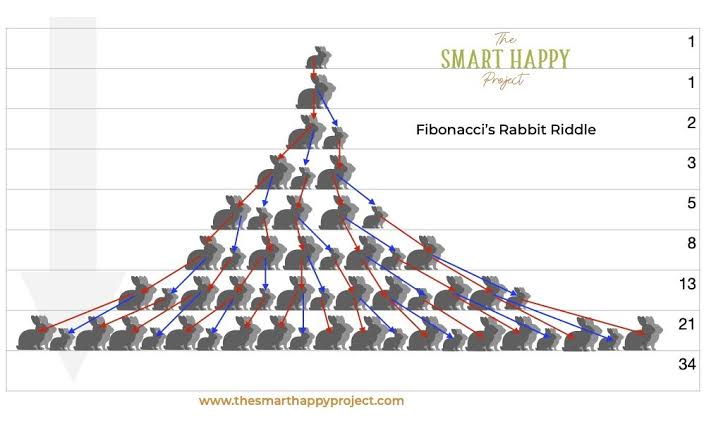
The Fibonacci Sequence
The sequence is a pattern adding the previous term to the current term and can be generated to find the nth term via Alfred Binet’s formula.
        φ^n - (1 - φ)^n
F,n =  —————————————————
              √5
When using this, ensure to round up by the tenths. Don’t bother with the hundredths.
.. 7.81 = 8
.. 9.499 = 9
← Previous Lesson (Tiling, Tessellations, and Frieze Patterns)